
The Importance of Professional Solar Engineering for Successful PV Projects
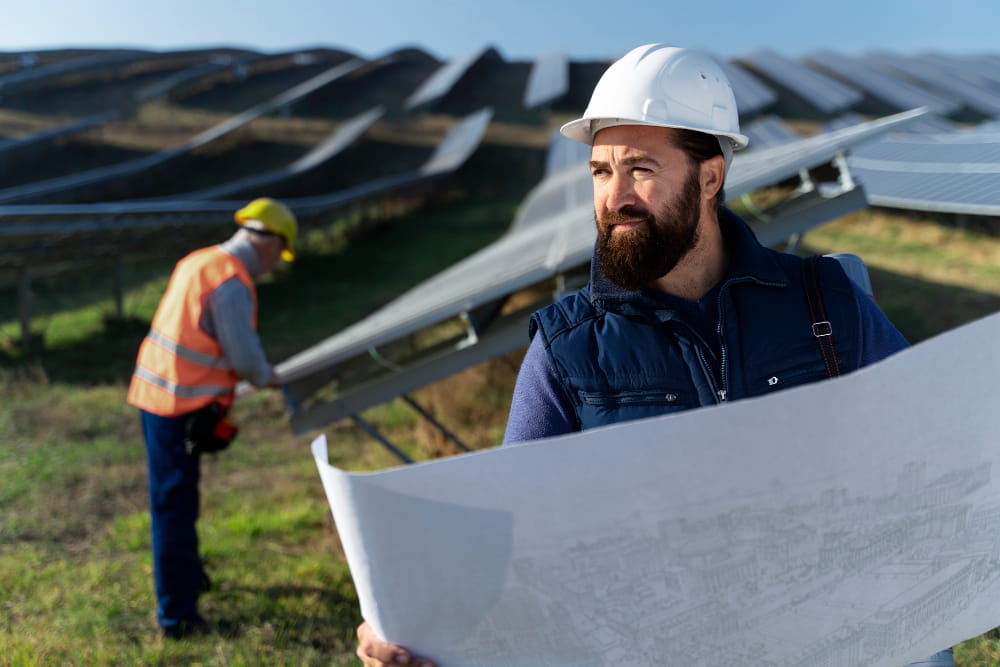
Solar energy projects require more than simply installing photovoltaic panels. A successful solar project begins with accurate engineering, detailed planning, and a clear understanding of structural and electrical requirements. Professional solar engineering helps ensure that every component of a PV system is designed to work safely, efficiently, and in accordance with applicable standards.
A properly engineered solar system considers factors such as site conditions, roof configuration, panel orientation, system capacity, equipment selection, electrical connections, and structural requirements. These considerations help improve system performance while reducing potential issues during installation and permitting.
Understanding Solar System Design
Solar engineering involves developing a complete design based on the specific requirements of a project. Engineers evaluate the available installation area, solar exposure, equipment specifications, and energy requirements to create an appropriate PV system layout.
A well-prepared design also provides installers with clear technical documentation, helping ensure that the project is constructed according to the approved plans.
Structural Considerations for Solar Installations
Installing solar panels adds additional loads to a roof or supporting structure. Structural engineering helps determine whether the existing structure can safely support these loads.
Factors such as panel weight, mounting systems, roof conditions, wind loads, snow loads where applicable, and other environmental forces must be considered during the design process.
Electrical Engineering and System Safety
Electrical engineering is another important part of solar project development. The system must be designed with appropriate electrical equipment, wiring, protection devices, grounding, and connection methods.
Accurate electrical documentation helps installers understand how the system should be connected and supports the permitting and approval process.
Solar Permit Documentation
Solar projects often require detailed documentation before construction can begin. Permit drawings may include site plans, roof layouts, equipment information, electrical diagrams, structural calculations, and other technical documents.
Professional engineering helps ensure that these documents are properly coordinated and prepared for review.
Building Better Solar Projects
Professional solar engineering brings together design, structural analysis, electrical planning, and permitting requirements. By addressing these elements early, project owners and installers can reduce design issues, improve project coordination, and move toward installation with greater confidence.
asge_ics