
Why Structural Engineering Is Essential for Solar Panel Installation
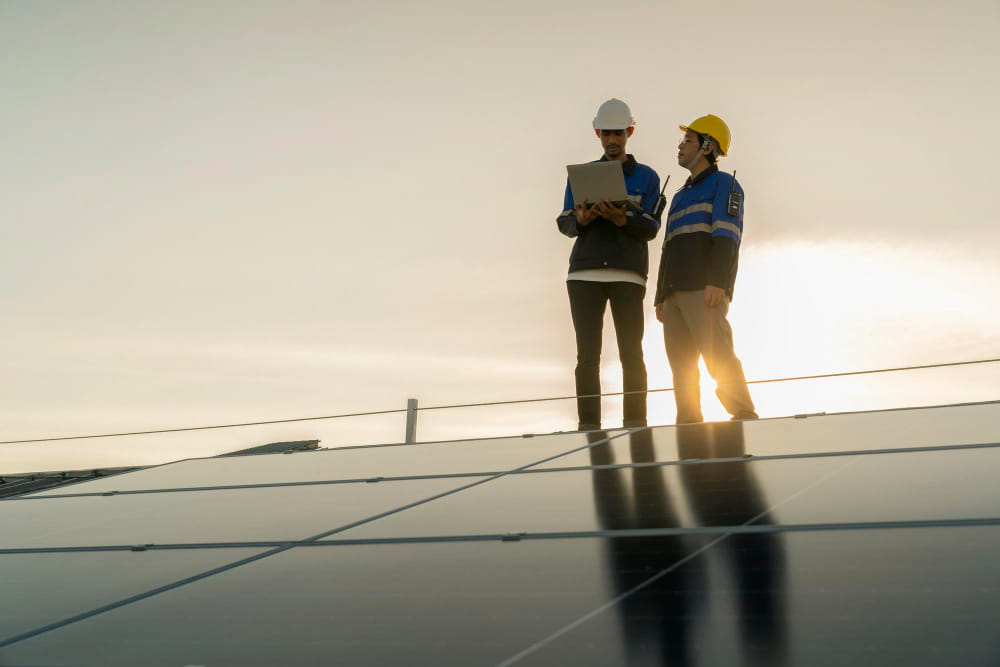
Solar panels are installed on structures that must safely support the additional weight and environmental forces associated with the system. Structural engineering plays an important role in determining whether a roof or supporting structure is suitable for a proposed solar installation.
A professional structural assessment helps identify potential issues before installation begins and provides the technical information required for a safe and properly documented solar project.
Understanding Solar Structural Loads
Solar installations introduce additional dead loads to a building. These loads include the weight of photovoltaic modules, mounting equipment, rails, supports, and associated components.
Engineers evaluate these loads together with the existing structural conditions to determine whether the building can safely accommodate the proposed system.
Evaluating Roof Conditions
Before installing solar panels, the existing roof structure should be reviewed. The assessment may consider the roof framing, construction type, existing loads, available installation areas, and overall structural condition.
Understanding the existing structure helps engineers determine appropriate mounting locations and identify areas that may require additional consideration.
Wind and Environmental Loads
Solar panels are exposed to environmental forces such as wind. Depending on the location and project requirements, other conditions may also need to be considered.
Structural engineering accounts for these forces when evaluating the mounting system and supporting structure. Proper analysis helps ensure that the solar installation is designed for the conditions expected at the project site.
Structural Calculations and Documentation
Engineering calculations provide technical support for the proposed solar installation. These calculations can demonstrate that the structure and mounting system have been evaluated for the required loads.
Accurate documentation is also important when structural information is required as part of the permitting process.
Avoiding Problems During Installation
Identifying structural concerns before construction can help prevent costly changes later. A detailed structural review allows potential issues to be addressed during the design stage rather than after equipment has been ordered or installation has begun.
Building Safer Solar Systems
Structural engineering is an essential component of responsible solar project development. By evaluating existing conditions, additional loads, environmental forces, and mounting requirements, engineers help create solar installations that are properly planned and structurally supported.
asge_ics